Cultural Center of the Philippines
📍 CCP Complex, Pasay, Metro Manila
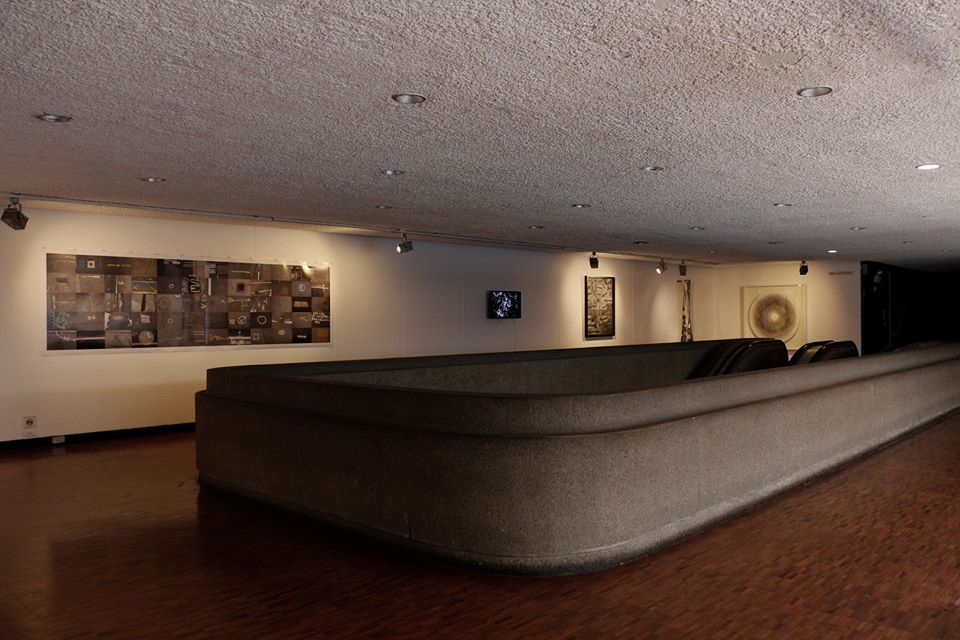
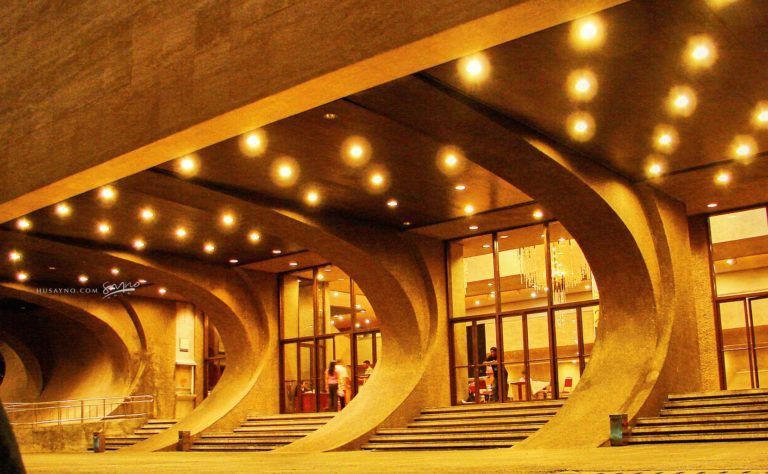
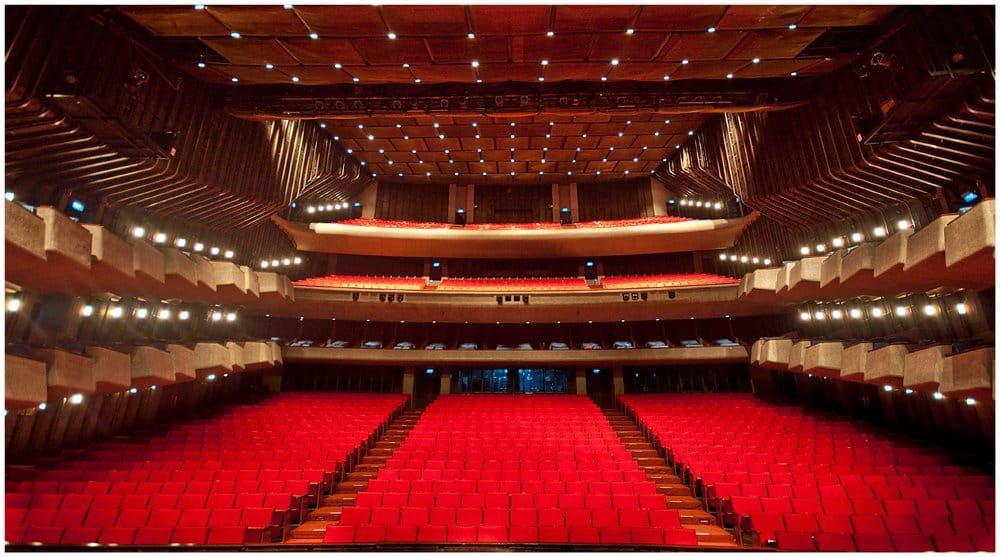
The Cultural Center of the Philippines on Manila Bay is one of Southeast Asia's most architecturally significant buildings — a 1969 brutalist masterwork by Leandro Locsin that has served for more than five decades as the nation's foremost venue for the performing arts and a landmark of Philippine cultural identity. Its exterior façade, a dramatic series of cantilevered concrete masses over the bay, presents both the challenge and the opportunity of landmark architectural lighting in the Philippines: how do you illuminate a building of this symbolic weight with the fidelity and dynamism it deserves?
Lumitron supplied Signify's high-output full-colour LED luminaires for the CCP façade lighting programme — a system designed to serve multiple functions across the calendar year. At its operational baseline, the system washes the concrete surfaces in a warm white that picks up the material's natural aggregate texture and emphasises the building's sculptural depth. For national celebrations — Independence Day, National Heroes Day, Buwan ng Wika — the system can be programmed to project the Philippine flag's blue, red, and gold across the full façade in sequences visible from across the bay.
The system's IP66-rated fixtures are mounted on concealed rigging tracks integrated into the CCP's landscape plinth, ensuring that the luminaires are invisible during the day and that the night-time effect appears to emanate from the architecture itself rather than from an added appliance. This principle — that the light source should never be the protagonist — is central to Lumitron's approach to landmark and civic architectural lighting in the Philippines.
The CCP façade lighting stands as a public manifestation of Lumitron's work at the intersection of technology, culture, and national identity — and a demonstration that Signify's connected lighting platform has the dynamic range to serve both the precision of fine arts programming and the spectacle of national celebration.