LED Technology
Few lighting products have had as transformative an impact on interior architecture as the humble LED strip. What was once a crude novelty product has matured into a precision lighting tool capable of delivering museum-quality illumination, seamless cove lighting in luxury hotels, and delicate accent effects that would have required complex bespoke fixtures just a decade ago.
The appeal of LED strip lights — or LED tape, as it is sometimes called — lies in their versatility. They bend around curves, disappear into slim aluminium profiles, and can be cut to exact lengths on-site. For architects and interior designers working with complex geometries, that flexibility is invaluable.
Density and wattage. LED strips are available in a range of densities — typically 60, 120, or 240 LEDs per metre. Higher density strips produce a more uniform, hotspot-free line of light ideal for visible cove applications. Lower density strips can work for concealed indirect lighting where even output is achieved by the diffuser or by the distance between the strip and the illuminated surface.
Colour temperature and CRI. For hospitality and high-end residential applications, choose strips with a CRI of 90+ to ensure accurate, flattering colour rendering. Colour temperature should complement the overall design intent — warm 2700K for intimate dining and bedroom spaces, 3000K for lobbies and feature areas, and 4000K for task-intensive zones.
Aluminium profiles. Exposed LED strip without a proper aluminium housing looks cheap and degrades quickly. A well-specified aluminium profile provides heat management (extending LED life), a clean finished edge, and the ability to mount diffuser covers that soften the light output. Profile selection should be part of the design process, not an afterthought.
Cove lighting in hotel rooms and lobbies is perhaps the most iconic use — a floating ceiling element illuminated from within creates a sense of architectural depth that no downlight can replicate. Wall washing with linear LED in restaurants creates warmth and draws the eye to textured materials. Under-counter lighting in kitchens and bars adds practicality and visual drama simultaneously.
Done well, LED strip lighting is invisible — what you see is the architectural effect, not the product. That's the mark of quality specification and installation.
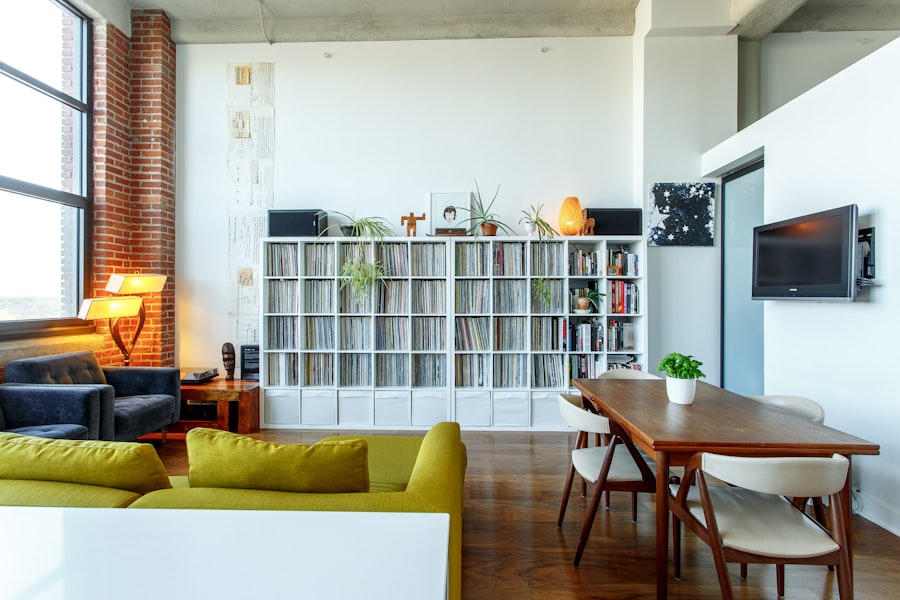
Architectural LED strip accent lighting — Lumitron Technologies
Ready to transform your space with expert lighting?
Start a Project →