
Architectural Lighting
Street lighting might seem straightforward — put a bright light on a pole and illuminate the road. But the engineering discipline behind high-quality outdoor lighting is surprisingly nuanced, with a direct impact on driver safety, pedestrian comfort, energy consumption, and the visual character of a city.
At its core, street lighting design is governed by two key metrics: illuminance (the amount of light reaching a surface, measured in lux) and uniformity (how evenly that light is distributed). A street lamp that creates a brilliant pool of light immediately beneath it but leaves dark gaps further down the road is a safety hazard — drivers and pedestrians adapt their vision to the bright zones and lose the ability to detect hazards in the shadows.
Early LED street lights often used a very high colour temperature — 5000K or above — which produces a cold, blue-white light. While efficient, high-CCT lighting has been linked to increased glare, disruption of nocturnal wildlife, and suppression of melatonin production in nearby residents. Modern specifications for urban streetscapes increasingly call for 3000K to 4000K LED luminaires that deliver adequate brightness with a warmer, less intrusive quality of light.
Optics are equally critical. The beam distribution of a street luminaire must be carefully engineered to project light along the road surface rather than upward into the sky (which contributes to light pollution) or into windows (causing residential nuisance). Asymmetric optical designs are standard practice in quality outdoor luminaire specification.
The shift from high-pressure sodium and metal halide lamps to LED technology has transformed street lighting economics. Modern LED streetlights achieve 140–180 lumens per watt — roughly three to four times the efficacy of their predecessors — with rated lifetimes of 50,000+ hours. For a municipality running thousands of streetlights, the energy and maintenance savings are transformative.
IP66 or higher ingress protection ratings are essential for outdoor luminaires exposed to tropical rain and humidity — a particularly important consideration for Philippine installations. Thermal management design also affects long-term LED performance, as excessive heat dramatically shortens driver and LED module life.
Street lighting is a specialist field within architectural lighting, but the same core principles of good specification — matching the right luminaire to the environment, managing glare, controlling spill light, and choosing quality components with proven lifetimes — apply across all outdoor lighting projects.
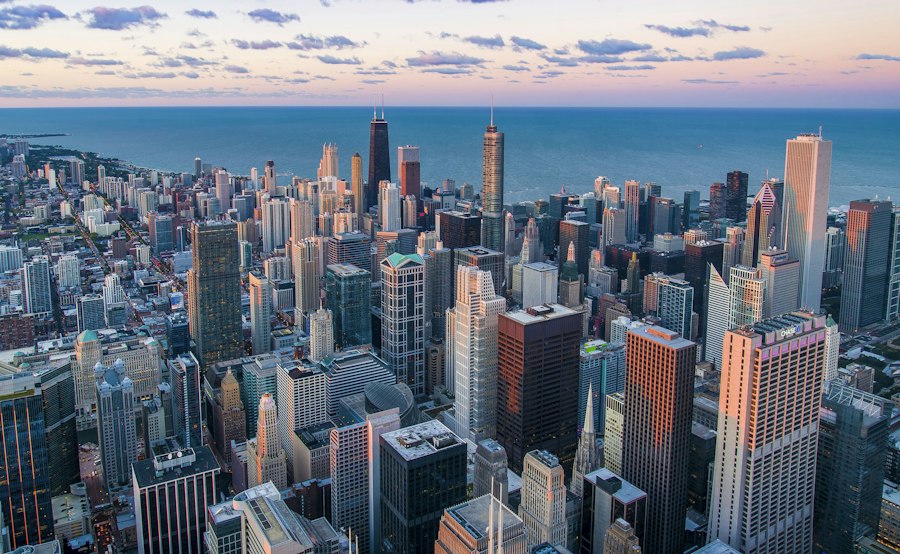
City streetscape at night with architectural lighting — Lumitron Technologies
Ready to transform your space with expert lighting?
Start a Project →