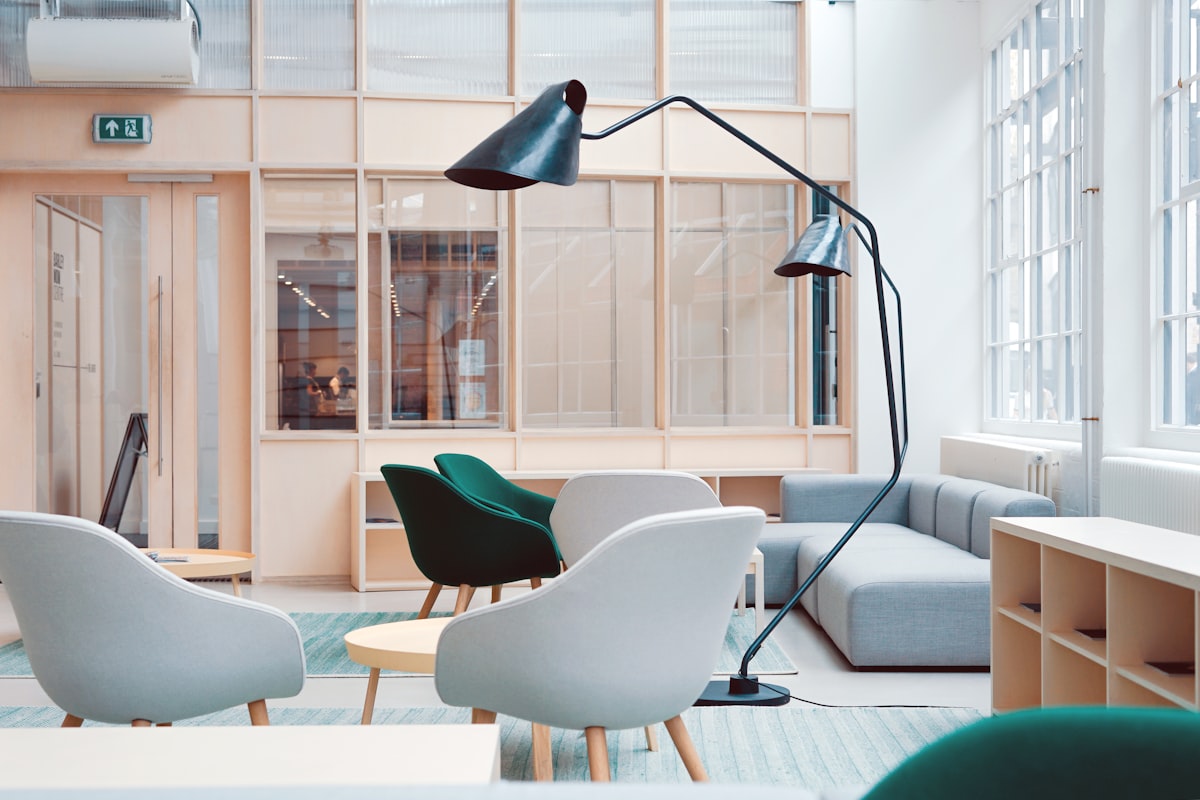
Architectural Lighting
Two of the most fundamental techniques in architectural lighting design — downlighting and uplighting — produce strikingly different visual results and serve very different purposes. Understanding when and where to deploy each one is essential to creating spaces that feel intentional and well-crafted.
Downlighting — where a luminaire is mounted above and directs light downward — is the most common lighting approach in built environments. Recessed downlights, surface-mounted spots, and pendant fixtures all deliver light from above, mimicking the natural behaviour of sunlight.
Downlighting is ideal for task lighting (workbenches, kitchen counters, reading areas), general ambient illumination in offices and circulation spaces, and accent lighting where fixtures are aimed to highlight specific objects like artwork or display merchandise. The quality of a downlight's optical system determines whether it creates a crisp, defined beam or a softer, more diffuse spread.
The limitation of downlighting is that it can make ceilings feel low and heavy, and over-reliance on it produces flat, shadowless environments that lack visual depth.
Uplighting reverses the direction of illumination — fixtures placed at floor level or low on a wall cast light upward, illuminating vertical surfaces, ceilings, and architectural features from below. The effect is almost always dramatic.
In a tall hotel lobby, uplighting a textured stone column makes the material come alive and draws the eye upward, creating a sense of grandeur. In a garden, uplighting a mature tree transforms it from a silhouette into a focal point. In a restaurant, low-level wall fixtures casting light up across a textured brick wall add atmosphere that no amount of ceiling lighting can replicate.
Uplighting is also psychologically warming. Because we are not naturally accustomed to light coming from below — it's the direction of candlelight and firelight — it creates associations of intimacy and cosiness that make spaces feel welcoming.
The most sophisticated lighting schemes use both techniques in balance. Ambient downlighting provides the functional illumination base while uplighting adds depth, accentuates architecture, and creates the visual warmth that transforms a space from ordinary to memorable. In practice, this means specifying the two layers independently with separate dimming circuits, so the balance can be adjusted for time of day or occasion.
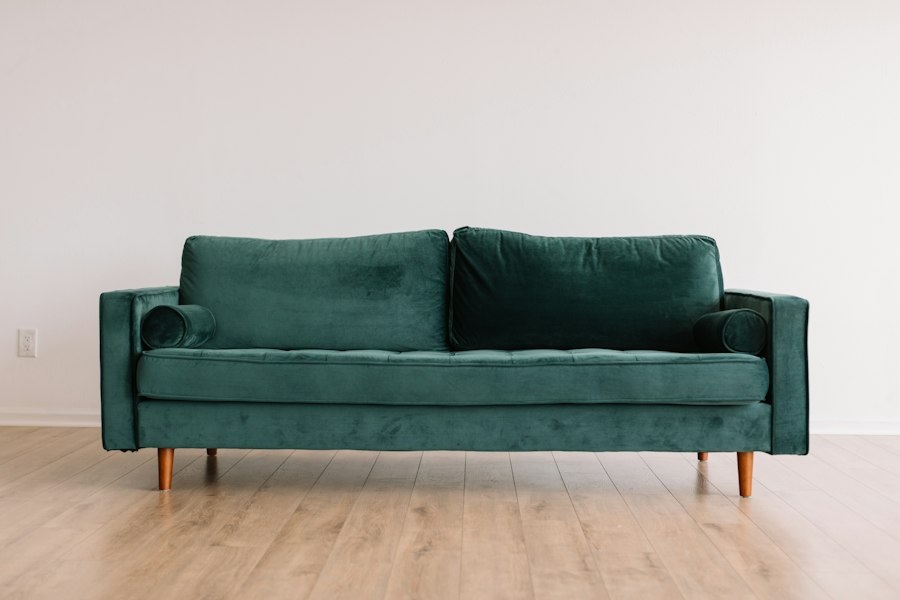
Recessed downlighting in modern interior — Lumitron Technologies
Ready to transform your space with expert lighting?
Start a Project →