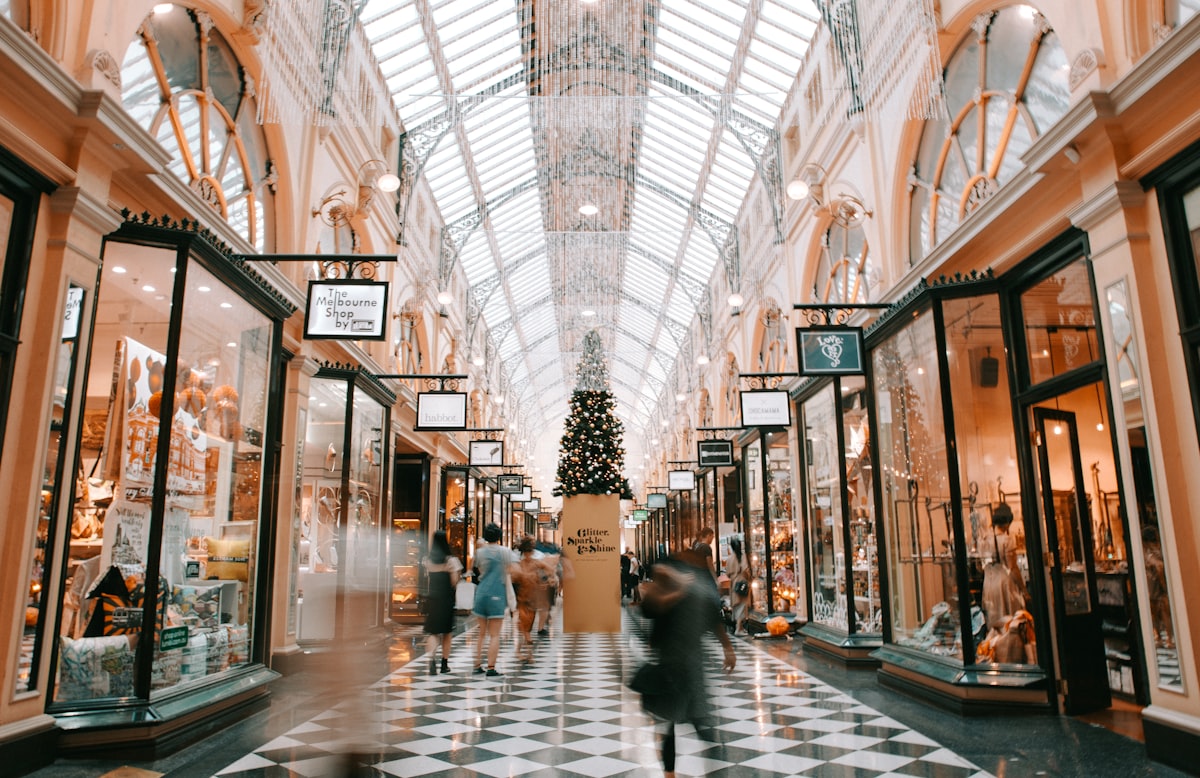
Retail Lighting Solutions
In retail, lighting is not décor — it is merchandising. The right retail lighting solutions can lift sales by double-digit percentages, while wrong-spectrum, flat or glare-ridden lighting can quietly bleed traffic and conversion no matter how strong the product or location. The best lighting for retail makes merchandise look extraordinary, draws customers naturally through the store and tells the brand's story without a single word. This guide walks through the retail lighting solutions Lumitron applies on retail projects across the Philippines — from boutique flagships to mall anchors.
A restaurant uses lighting to slow people down. An office uses lighting to sustain concentration. Retail lighting solutions do something altogether more aggressive — they direct the eye, make hero products magnetic, and translate a brand's positioning into a felt experience the moment a customer crosses the threshold. Strong retail lighting solutions achieve this through three classical levers: contrast, colour and choreography.
The single most important number in any retail lighting design is the accent-to-ambient ratio — the ratio of accent illuminance on a featured product to the ambient illuminance in the surrounding zone. A flat, uniformly lit store has an accent ratio of 1:1, and the eye has no reason to look anywhere in particular. Specialty retail typically targets 5:1 to 10:1, and luxury or jewelry retail can push to 15:1 or higher. The product on the mannequin or in the case becomes the brightest object in the customer's visual field, and the eye is drawn to it involuntarily.
The most effective retail lighting solutions achieve this with a layered approach: relatively modest ambient general lighting (around 300–500 lux for fashion, 200–300 lux for luxury), and concentrated accent lighting from track-mounted spotlights, gimballed downlights or in-shelf strips. The accent layer is what makes the merchandise sing.
Retail lives or dies on how merchandise looks. A blouse that is the perfect shade of red online cannot look orange or muddy under store lighting — return rates spike, conversion drops and brand trust erodes. The best lighting for retail therefore demands a high Colour Rendering Index (CRI 90+ as a minimum, CRI 95+ for fashion, cosmetics and jewelry) plus a strong R9 value (≥ 50, ideally ≥ 80) so saturated reds, skin tones and meat or food displays render honestly.
Colour temperature, in well-considered retail lighting solutions, is brand-specific. Most fashion and lifestyle retail settles around 3000K — warm enough to flatter skin and fabrics, neutral enough to render whites cleanly. Premium and luxury concepts often pull cooler (3500K–4000K) to read crisp and modern. Jewelry frequently uses 3500K with very high CRI to bring out the brilliance of stones. Grocery and fresh food retailers use bespoke per-zone temperatures — bakery at 2700K, produce at 4000K with high R9, meat at 3000K with red-enhanced spectrum. There is no single "right" temperature; there is the right temperature for the merchandise you sell.
Retail customers do not wander randomly — they follow visual cues. Strong retail lighting solutions use accent lighting to draw the customer through a deliberate journey: a feature wall at the entrance pulls the eye in, a brighter focal point mid-store brings them deeper, a featured grouping at the back ensures they traverse the full merchandise floor, and a well-lit fitting room or service zone closes the sale.
Track-mounted spotlights remain the workhorse of every flexible retail lighting plan because they offer the one quality the merchandising floor demands above all: flexibility. Visual merchandising changes weekly. Display tables move. Mannequins rotate. Fixed downlights cannot follow these changes; track can. Specify three-circuit track on every primary merchandise zone, with adjustable spots in a mix of beam angles (15°, 24°, 36°) so the visual merchandising team can tighten or widen the beam to match each new display.
The fitting room is where the purchase decision is actually made — and it is the most under-specified zone in most retail fit-outs. The best lighting for retail always includes vertical, flattering, high-CRI lighting at face and full-body level (around 300–500 lux of vertical illuminance, CRI 95+, warm-neutral 3000K), which lifts fitting-room conversion measurably. Avoid harsh overhead-only schemes that cast shadows under the eyes — the most common, and most damaging, mistake in fitting-room lighting.
Retail lighting can run 12–14 hours a day, every day. Even small inefficiencies compound into large operating costs. Modern retail lighting solutions include scheduled scene control (different scenes for opening, prime trading and closing), occupancy sensing in stockrooms and BOH, and tight power budgets enforced through high-efficacy LED selection (≥ 110 lm/W in most accent fixtures). The result is a store that looks better, sells more and consumes 30–50% less energy than a legacy halogen-and-CFL installation.
Lumitron has delivered retail lighting solutions for boutique flagships, mall anchors and category specialists across the Philippines. We work alongside visual merchandisers, brand teams and store designers to translate brand positioning into a precise retail lighting specification — track plans, beam-angle schedules, CRI targets, accent ratios and controls strategy. If you're opening a new store or refreshing an existing one, talk to us before the ceiling is closed up.
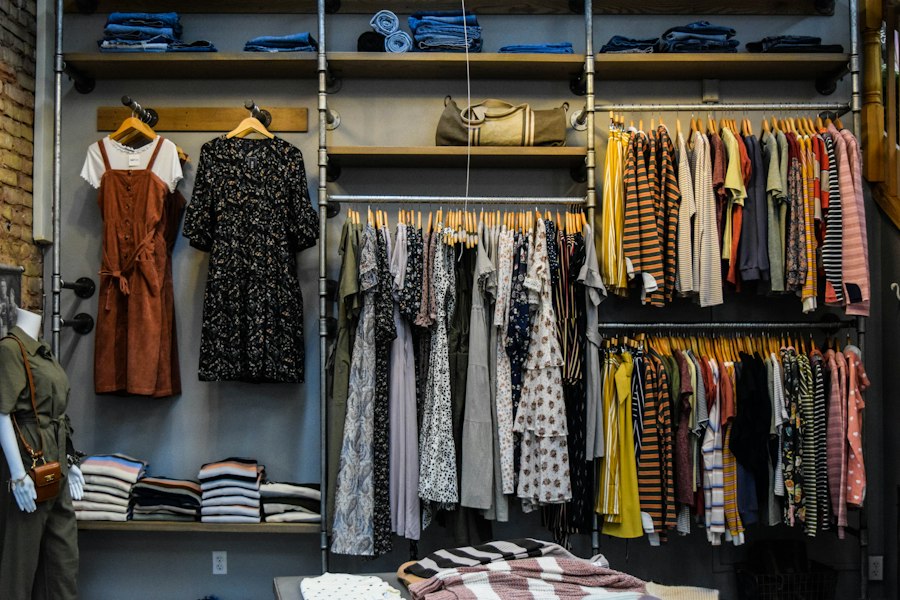
Directional retail lighting solutions on merchandise — Lumitron Technologies
Ready to transform your space with expert lighting?
Start a Project →