
Architectural Lighting
The kitchen is arguably the most demanding room in any building when it comes to lighting. It must simultaneously support precise, focused task work — chopping, measuring, cooking — and serve as a social hub where families gather and guests congregate. Getting the lighting right in a kitchen is both a functional necessity and, increasingly, a design statement.
Before worrying about ambience, get the task lighting right. The work surfaces in a kitchen — countertops, the hob, the sink, the chopping areas — must be well-illuminated with direct, shadow-free light. Under-cabinet LED strips are the most effective solution for countertop illumination: they cast light precisely where it's needed without the obstructing shadow that a ceiling fixture creates when you're standing between the light source and the work surface.
For ceiling fixtures over an island or peninsula, recessed adjustable downlights or pendants positioned directly above the work surface provide the right combination of focus and task brightness. Colour temperature in the 3000K–4000K range is ideal for kitchen task areas — warm enough to be comfortable but with enough blue content to support accurate colour assessment when preparing food.
In both residential and commercial kitchens, Colour Rendering Index directly affects how food looks during preparation and presentation. Low-CRI lighting makes fresh vegetables appear dull, meat look grey, and sauces lose their vibrancy. For domestic kitchens, specify CRI 90+ as a minimum. For restaurant and commercial kitchen environments, CRI 95+ ensures that what the chef is plating looks the way it should look under the dining room's lighting conditions.
In open-plan living spaces where the kitchen flows into a dining or living area, the lighting design must transition gracefully between task-intensive kitchen work and relaxed social use. This requires separate circuits for the task and ambient layers, controlled independently with dimmers. When cooking is done and the meal begins, the kitchen zone can be dimmed down while the dining zone comes up — creating a natural spatial shift that reinforces the change in activity.
Kitchen lighting is too often treated as functional box-ticking. Done well, it is one of the highest-impact lighting decisions in any residential or commercial project.
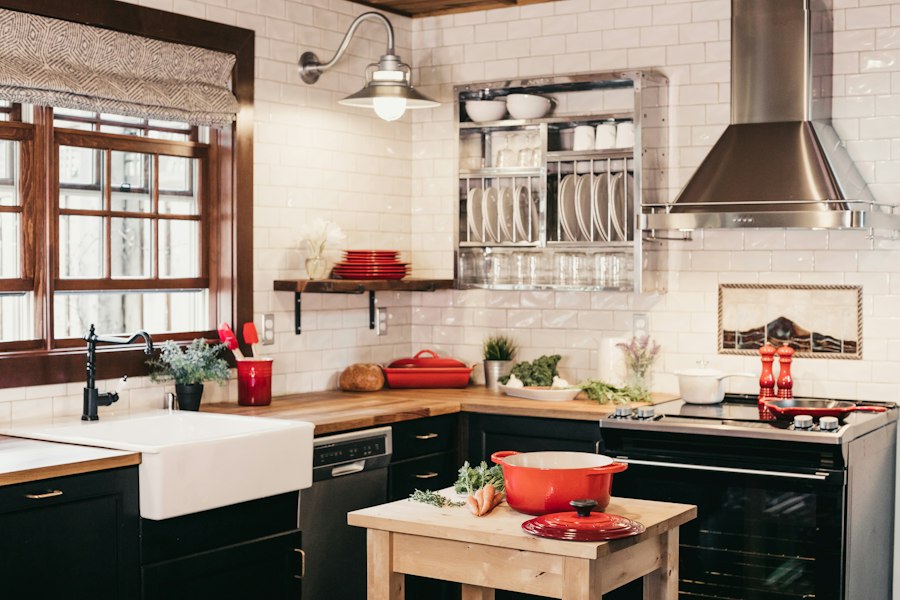
Kitchen counter task lighting — Lumitron Technologies
Ready to transform your space with expert lighting?
Start a Project →